
The Evolving Cyber Threat Landscape
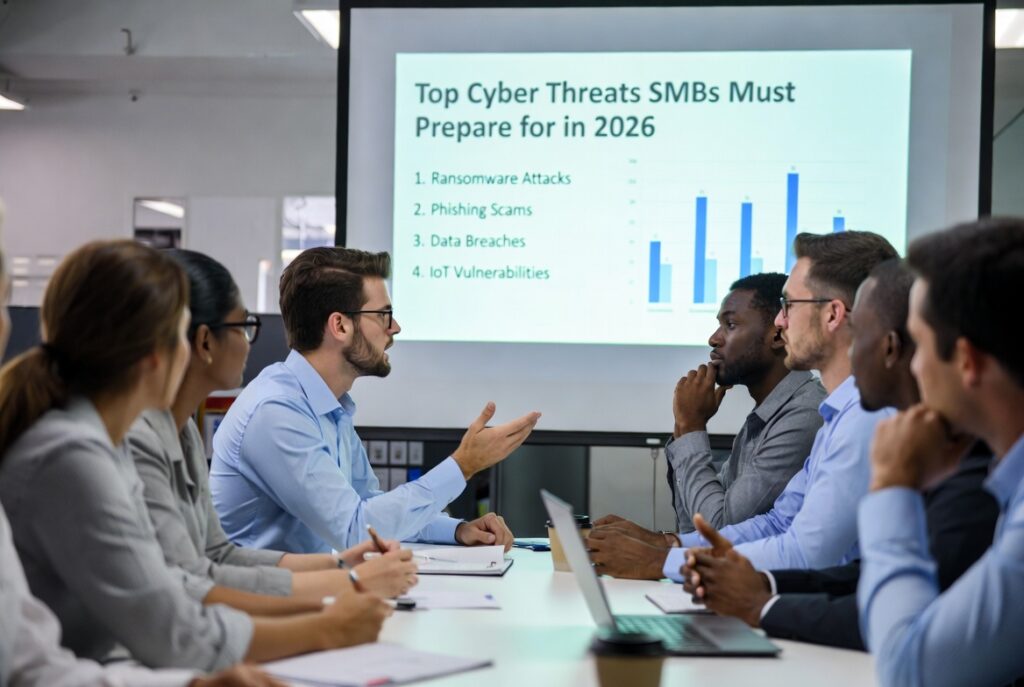
As we approach 2026, the cyber threat landscape is rapidly evolving. Small and medium-sized businesses (SMBs) must stay informed about the latest threats to protect their operations and data. Cybercriminals are becoming increasingly sophisticated, using advanced tactics to exploit vulnerabilities. SMBs, often seen as easier targets due to limited resources, must be proactive in understanding and mitigating these risks.
Cyber threats are not just a concern for large corporations; SMBs are equally at risk. The impact of a cyber-attack can be devastating, leading to financial loss, reputational damage, and legal consequences. By staying ahead of the curve and preparing for emerging threats, SMBs can ensure a more secure future.
Ransomware Attacks: A Growing Menace
Ransomware attacks have been on the rise, and this trend is expected to continue into 2025 and 2026. Ransomware is malicious software that encrypts a victim’s data, rendering it inaccessible until a ransom is paid. These attacks can cripple an SMB’s operations, leading to significant downtime and financial loss.
To combat ransomware, SMBs should implement robust backup solutions, ensuring that data can be restored quickly in the event of an attack. Regularly updating software and systems to patch vulnerabilities is also crucial. Employee training on recognizing phishing emails, which are often the entry point for ransomware, can significantly reduce the risk of an attack.
Phishing and Social Engineering: The Human Factor
Phishing and social engineering attacks exploit human psychology to gain unauthorized access to systems and data. These attacks often involve tricking employees into revealing sensitive information or clicking on malicious links. As cybercriminals become more adept at crafting convincing messages, the threat of phishing and social engineering is expected to grow.
SMBs should prioritize employee education, teaching staff to recognize suspicious emails and messages. Implementing multi-factor authentication (MFA) can add an extra layer of security, making it more difficult for attackers to gain access even if credentials are compromised. Regular security awareness training can help create a culture of vigilance and reduce the likelihood of successful phishing attacks.
Advanced Persistent Threats: Understanding APTs
Advanced Persistent Threats (APTs) are long-term targeted attacks that aim to infiltrate and remain undetected within a network. These sophisticated attacks are often carried out by well-funded and highly skilled adversaries, including nation-states and organized crime groups. APTs can cause significant damage, stealing sensitive data and intellectual property.
To defend against APTs, SMBs should invest in advanced threat detection solutions that can identify and respond to unusual activity within their networks. Regular security assessments and penetration testing can help identify vulnerabilities before they are exploited. By staying informed about the latest threat intelligence, SMBs can better understand the tactics, techniques, and procedures (TTPs) used by APT groups and develop effective countermeasures.
The Rise of IoT Vulnerabilities
The Internet of Things (IoT) has revolutionized the way businesses operate, but it has also introduced new security challenges. IoT devices, from smart thermostats to industrial control systems, are often poorly secured and can serve as entry points for cyber attacks. As the number of IoT devices continues to grow, so does the risk of exploitation.
SMBs should implement strong security measures for IoT devices, including changing default passwords, applying firmware updates, and segmenting IoT networks from critical systems. Conducting regular security audits of IoT devices can help identify and address vulnerabilities before they are exploited by attackers.
Steps to Strengthen Your Cybersecurity Posture
Preparing for the cyber threats of 2025 and 2026 requires a comprehensive approach to cybersecurity. Here are some key steps SMBs can take to strengthen their cybersecurity posture:
- Conduct Regular Risk Assessments: Identify and prioritize potential threats and vulnerabilities specific to your business.
- Implement Strong Access Controls: Use multi-factor authentication and role-based access controls to limit access to sensitive data.
- Develop an Incident Response Plan: Prepare for potential breaches by having a clear plan for responding to incidents and minimizing damage.
- Stay Informed: Keep up with the latest threat intelligence and cybersecurity best practices to stay ahead of emerging threats.
- Invest in Employee Training: Regularly educate employees on cybersecurity awareness and the latest threats to reduce the risk of human error.
- Partner with Cybersecurity Experts: Consider working with external cybersecurity consultants to enhance your defenses and gain access to specialized expertise.
By taking these proactive measures, SMBs can better protect themselves against the evolving cyber threats of 2025 and 2026, ensuring a secure and resilient future.
Schedule a cybersecurity review with Helixstorm.
